

Employment Law

The “Corporate Death Penalty”: Understanding Judicial Dissolution in South Carolina  

In the world of business law, we often focus on formation, such as drafting operating agreements and launching new ventures. However, as an attorney, I am often brought in when a business relationship has deteriorated beyond repair and the only remedy left is judicial intervention to shut it down. In South Carolina, this is known as judicial dissolution. It is […]

The “Corporate Death Penalty”: Understanding Judicial Dissolution in South Carolina   Read More »

Why Panama’s Private Interest Foundations Work for Web3 

In my previous blog entry, I highlighted Panama as an attractive hub for Web3 companies. One of the key reasons is a legal structure that has been part of Panama’s framework for over 30 years: the Fundación de Interés Privado (Private Interest Foundation, or PIF). Private Interest Foundations were originally designed for estate and asset planning, but in recent years, they

Why Panama’s Private Interest Foundations Work for Web3  Read More »

Control Without Ownership: Real Risks in DAO Governance 

In a prior post we unpacked the idea that offshore foundations make systems decentralized. In this piece, we take the next step and look beyond structure to the quieter question of control. In Web3, ownership gets most of the attention. Think, Token distributions, vesting schedules, and supply caps , which are debated endlessly and often framed as the primary indicators of decentralization. But from a

Control Without Ownership: Real Risks in DAO Governance  Read More »

What Clients Don’t See During Litigation and Why It Matters 

The Work Between the Milestones For most clients, litigation is defined by visible events like filings, hearings, and outcomes. These milestones matter, but they represent only a fraction of the work required to move a matter forward. Much of the progress happens in between, through planning and coordination, that keep the case moving even when nothing new appears on the docket.  Legal project managers

What Clients Don’t See During Litigation and Why It Matters  Read More »

Demand Notes and Deadlines in South Carolina

In South Carolina, old debts do not age gracefully. At some point, the law steps in and says enough. That is especially true with promissory notes that never specify when they must be repaid.  What Counts as a Demand Note in South Carolina  South Carolina’s Commercial Code defines a negotiable instrument as an unconditional written promise

Demand Notes and Deadlines in South Carolina Read More »

Staying Organized During the Holidays: A Project Manager’s Best Tips

The holiday season is a time of celebration, family, and reflection. It’s also one of the busiest times of the year. Between travel, parties, shopping, and year-end obligations, it’s easy for important tasks to slip through the cracks. For clients with legal matters, this can be even more stressful. Deadlines don’t take a holiday, and legal issues, whether related to real estate,

Staying Organized During the Holidays: A Project Manager’s Best Tips Read More »

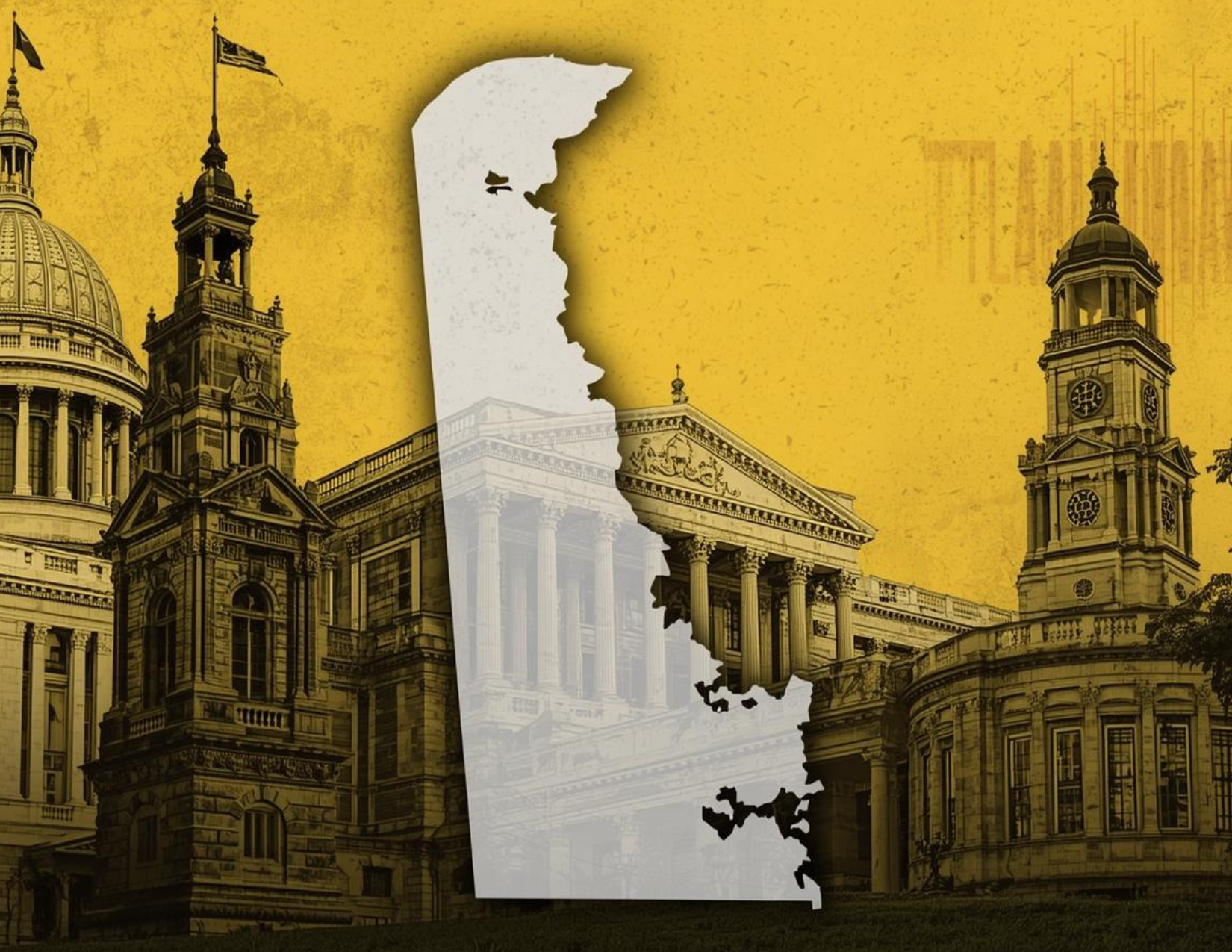
The Delaware Trapdoor: When Authorized Shares Become a Six-Figure Surprise

For as long as I can remember Delaware has been hailed as the pro-business jurisdiction; the gold standard for corporate law, investor predictability, and efficient courts. Law schools use it as the gold standard and companies have flocked there for good reasons, such as a sophisticated Court of Chancery, a robust body of case law, and streamlined governance rules.  But there is one corner of Delaware law

The Delaware Trapdoor: When Authorized Shares Become a Six-Figure Surprise Read More »

The Hidden Dangers of Starting a Business Without a Written Agreement

Every great business starts with excitement, energy, and big ideas. That energy often convinces partners they do not need paperwork. After all, you trust each other. You agree on the vision. You shook hands. What could go wrong?  A lot. And it usually does.  Unclear Ownership Leads to Costly Fights Without a written agreement, you do not actually know who owns

The Hidden Dangers of Starting a Business Without a Written Agreement Read More »

At-Will vs. For-Cause Employment: What’s Right for Your Business?   

Employment relationships in the United States generally fall into one of two categories: at-will employment or employment with for-cause termination protections. The differences between the two have significant implications for both workers and employers. Understanding when to use which arrangement is key to furthering and protecting your business.     At-Will Employment    In an at-will arrangement, either the employer

At-Will vs. For-Cause Employment: What’s Right for Your Business?    Read More »

Navigating the GENIUS Act: Implications for Stablecoin Issuers, Crypto Projects, Payment Systems, and Banks 

The passage of the GENIUS Act has quietly reshaped the regulatory landscape for digital assets in the United States. While much of the public attention has centered on debates over tokenization, consumer protection, and innovation, the Act’s real significance lies in how it weaves stablecoins into the fabric of federal financial law. It establishes a

Navigating the GENIUS Act: Implications for Stablecoin Issuers, Crypto Projects, Payment Systems, and Banks  Read More »